
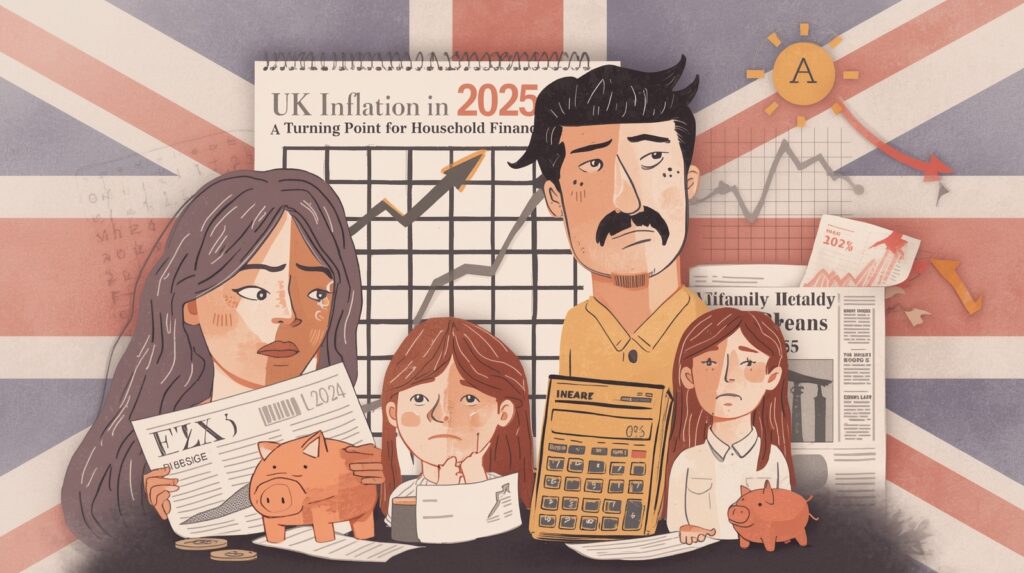
For UK households, the past few years have felt like a financial marathon. A relentless surge in prices, peaking at 11.1% in October 2022—a 41-year high—squeezed budgets and eroded living standards. While 2024 offered a brief respite, inflation spiked again in 2025, reigniting cost-of-living pressures. The latest data, however, signals a potential turning point. November’s significant drop in inflation offers not just relief but a strategic opportunity to understand the forces shaping your wallet, from government policy to global markets, and to make more informed financial decisions.
Why 2025 Became a Pivotal Year for UK Inflation
The inflation story of 2025 is one of unexpected resurgence followed by a hopeful cooling. After falling to a low of 1.7% in September 2024, inflation began climbing again, driven by powerful and interconnected factors.
- The “Administered Price” Surge: A significant driver was a rise in “administered prices”—costs directly set or heavily influenced by government and regulatory decisions. This included hikes in water bills and Vehicle Excise Duty, which flowed directly into the inflation rate.
- Policy-Driven Cost Increases: April 2025 saw two major policy changes. A rise in employer National Insurance Contributions (NICs) and a 6.7% increase in the National Living Wage pushed up business costs. A survey found that 66% of firms lowered their profit margins in response, but a significant 34% opted to raise prices, passing some of this cost onto consumers.
- Stubborn Food Inflation: Global agricultural commodity prices rose, but UK food price inflation outpaced the Eurozone, suggesting domestic factors were at play. Industry groups pointed to the rising labor costs from the National Living Wage increase as a key contributor. By August 2025, food price inflation had jumped to 5.1%, with staples like beef and veal seeing increases of nearly 25%.
This “inflation hump” in 2025 kept the rate stubbornly above the Bank of England’s 2% target, complicating economic policy and prolonging the financial strain on households.
The November Shift: What Changed and Why It Matters
The November 2025 data from the Office for National Statistics (ONS) marked a decisive shift. The Consumer Prices Index (CPI) inflation rate fell to 3.2%, down from 3.6% in October and lower than the expected 3.5%.
Key drivers behind this welcome decline include:
This broad-based slowdown was significant. ONS chief economist Grant Fitzner noted that falling food prices were the main driver, which was notable as food costs traditionally rise at this time of year. The easing in core inflation and services inflation (down to 4.4%) was particularly encouraging for the Bank of England, suggesting domestically generated price pressures were starting to soften.
The Government and Bank of England’s Balancing Act
Controlling inflation is a complex dance between the government and the independent Bank of England.
- The Bank’s Mandate: The government sets the Bank an inflation target of 2%. The Bank’s Monetary Policy Committee (MPC) uses the base interest rate as its primary tool to steer the economy toward this goal. When inflation is high, raising rates cools demand; when it falls and the economy weakens, cutting rates can provide stimulus.
- The 2025 Challenge: For most of 2025, the Bank faced a dilemma. Inflation was above target, but the economy showed signs of softening. This led to a cautious approach, with the MPC voting 5-4 to hold rates at 4% in November. However, the sharper-than-expected November inflation drop dramatically increased the likelihood of a rate cut in December, seen as almost certain by financial markets.
- Government Intervention: Chancellor Rachel Reeves highlighted that “getting bills down is my top priority”. The government’s Autumn 2025 Budget included measures like cutting £150 off average energy bills and freezing rail fares, which were designed to directly combat inflationary pressures and were expected by the Bank to help lower prices faster in 2026.
The Real-World Impact on Your Salary and Spending Power
While a falling inflation rate is positive news, it’s crucial to understand what it means for your personal finances.
- Prices Are Still Rising: A fall in inflation means prices are rising more slowly, not falling. The cumulative effect of the past years’ inflation is immense. Since August 2020, overall consumer prices have risen by 28.2%, and food prices have skyrocketed by 37.2%. Your money simply doesn’t go as far as it did pre-pandemic.
- The Wage Growth Equation: Recent data shows a glimmer of hope here. Between July and September 2025, regular pay grew by 4.6%, while inflation averaged around 4.1%. This meant real wages (adjusted for inflation) grew by 0.8%. For the first time in a long while, average earnings were finally outpacing price rises, allowing for a slight recovery in purchasing power.
- Strategic Financial Planning: This environment makes understanding your true take-home pay and budgeting for persistent high costs more important than ever. Knowing exactly how much National Insurance and tax you pay, and how that impacts your net salary, is the foundation of sound financial planning in a high-cost era.
Looking Ahead to 2026
The consensus among economists is that the UK’s journey back to the 2% inflation target should accelerate in 2026. The combination of easing global food prices, the government’s energy bill interventions, and the lagged effects of a softer job market are expected to pull inflation downward.
For households, this transition period is critical. The financial squeeze of the last few years has left a lasting impact. As noted by financial analyst Danni Hewson, “falling inflation doesn’t mean the cost of living is getting cheaper… many households are still reeling from the impact of the mega price hikes we’ve endured over the past few years”.
The path forward involves navigating a new normal where prices are permanently higher. The key to financial resilience is a clear-eyed understanding of your income after all deductions and a budget that respects the new reality of essential costs. Tools that provide clarity on your tax-to-salary ratio and disposable income become indispensable, not just for managing day-to-day expenses, but for planning a more secure financial future beyond the immediate inflation crisis.